by Bupe Soneka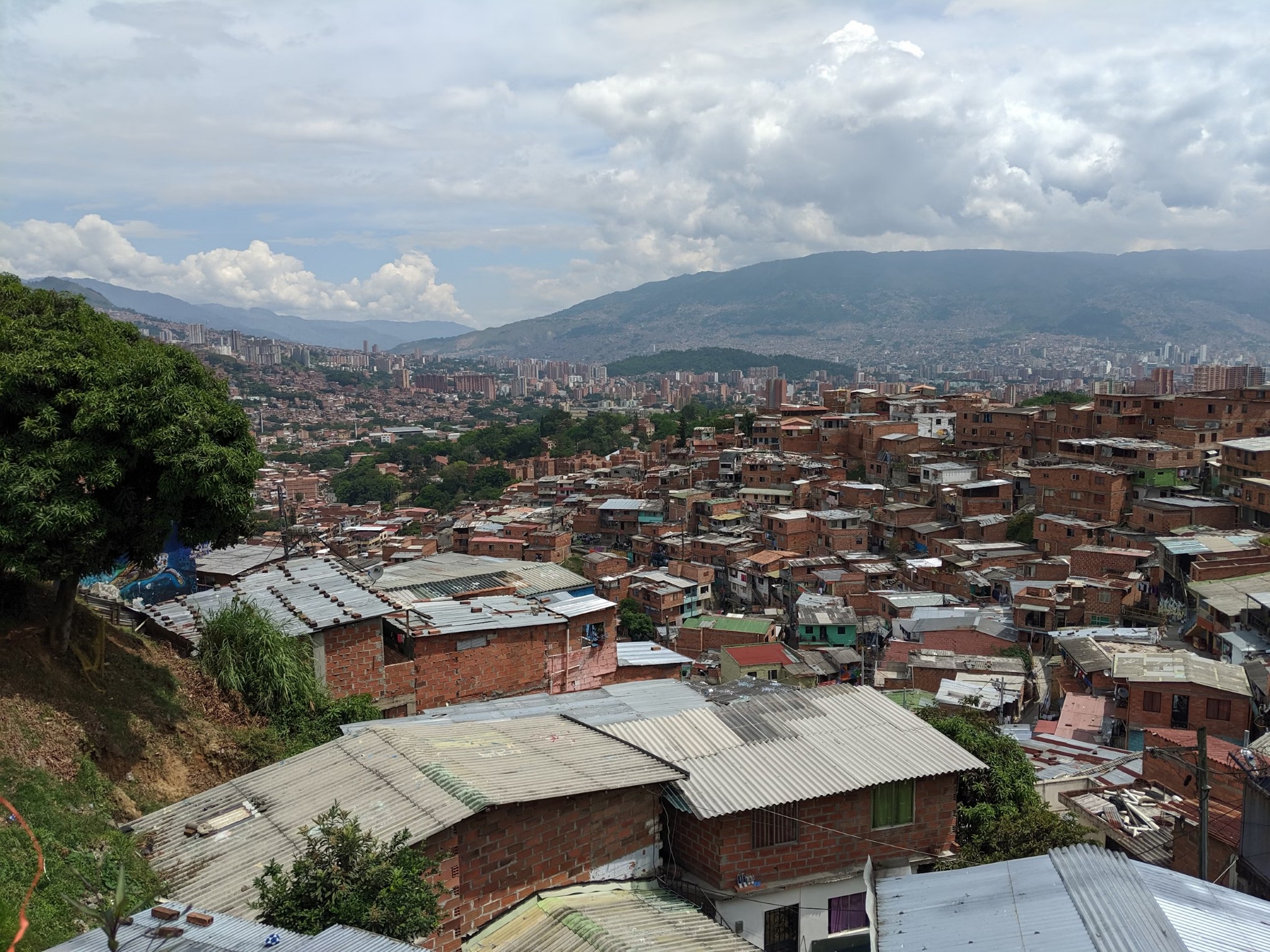
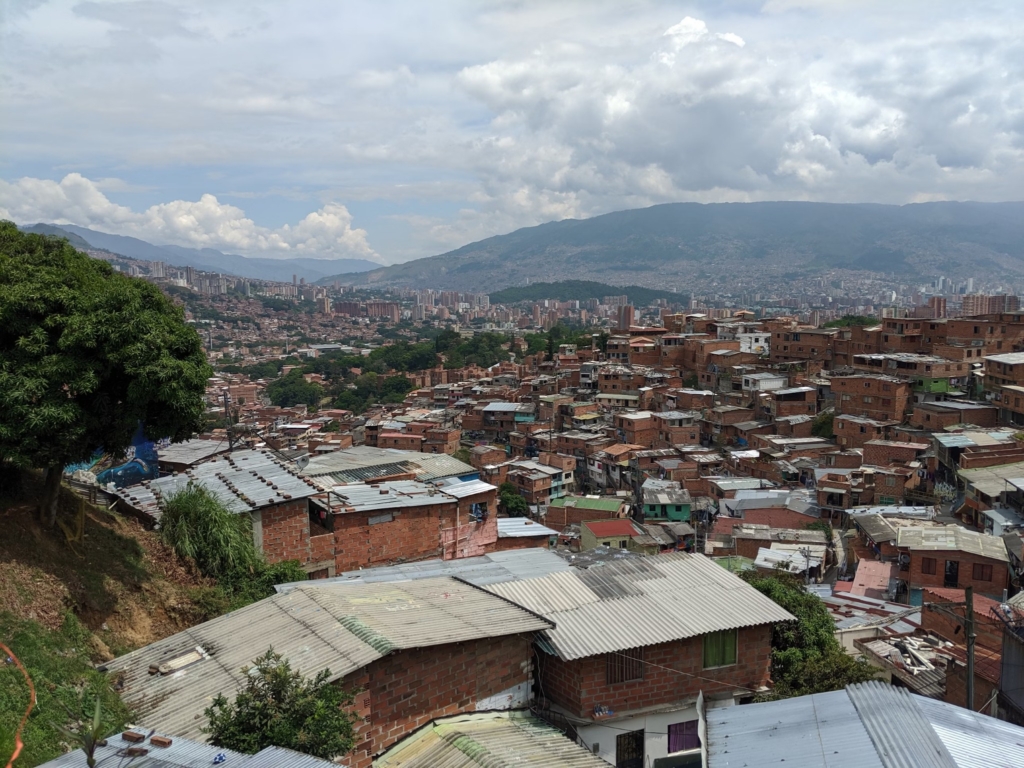
Across Zambia’s rapidly urbanizing cities, informal settlements have become a prevalent aspect of the landscape. Driven by economic hardship, urban migration, and limited affordable housing, these settlements house a significant portion of Zambia’s urban population, particularly in Lusaka. While they offer immediate shelter solutions, informal settlements present unique challenges and opportunities for Zambia’s real estate sector and urban development efforts. This article examines the factors driving the growth of informal settlements in Zambia, their impact on the real estate market, and potential solutions to create more sustainable urban development.
Causes of Informal Settlement Growth in Zambia
Informal settlements, often referred to as “slums,” arise when individuals or families build homes on land without formal ownership or legal rights. In Zambia, this phenomenon is driven by a range of socioeconomic and structural factors:
- Rising Urbanization: Zambia has seen rapid urbanization in recent decades, with many people moving to cities in search of employment, education, and better living conditions. As urban populations grow faster than the development of affordable housing, low-income individuals are forced to seek shelter in informal settlements. Lusaka, the nation’s capital, has experienced some of the highest urban growth, with areas like Kalingalinga and Chibolya expanding significantly due to high demand for affordable housing.
- High Cost of Urban Housing: The lack of affordable housing is a critical issue in Zambia’s real estate market. Many urban Zambians cannot afford to rent or purchase homes due to high property prices, forcing them to settle in informal areas. Limited financing options, high interest rates on mortgages, and high construction costs further limit access to affordable housing for middle- and low-income groups.
- Inadequate Urban Planning and Regulatory Frameworks: In Zambia, urban planning and regulatory frameworks have not kept pace with the rapid growth of cities. Weak enforcement of zoning laws and land-use regulations has allowed informal settlements to grow without proper oversight. Furthermore, a lack of clear land ownership records and complex bureaucratic processes often prevent low-income families from accessing legal land tenure.
- Economic Inequality and Poverty: Widespread poverty and economic inequality contribute to the expansion of informal settlements. Low-income Zambians often cannot afford basic necessities, let alone formal housing. Many turn to informal settlements as a last resort, as these areas provide relatively affordable shelter without the need for legal documentation or costly permits.
- Rural-to-Urban Migration: Migration from rural areas has increased significantly in Zambia as people seek better job opportunities and access to services in cities. Many migrants lack the resources needed to find formal housing in urban areas, and thus, they are more likely to settle in informal areas where they can quickly secure shelter, even if the infrastructure is lacking.
The Impact of Informal Settlements on Zambia’s Real Estate Market
The prevalence of informal settlements has a multifaceted impact on Zambia’s real estate market. These settlements influence housing demand, property values, and the allocation of resources for infrastructure development:
- Increased Demand for Affordable Housing: Informal settlements highlight the demand for affordable housing solutions. The real estate market, currently focused on higher-end developments, does not cater to the majority of urban residents who fall within the lower-income brackets. The growth of informal settlements emphasizes the urgent need for real estate developers to consider affordable housing as a profitable and sustainable market segment.
- Pressure on Infrastructure and Public Services: Informal settlements often lack access to basic infrastructure, including clean water, sanitation, and electricity. As these settlements grow, they create pressure on public services, which struggle to meet the needs of both formal and informal urban areas. This leads to the uneven allocation of resources, further increasing disparities in urban living conditions and limiting the overall appeal of certain neighborhoods for potential investors or developers.
- Impact on Property Values and Real Estate Development: Informal settlements can have mixed effects on property values in neighboring areas. In some cases, their presence can discourage real estate investment due to perceptions of poor infrastructure, crime, or limited sanitation facilities. However, in other cases, developers may see opportunity in redeveloping these areas, converting informal settlements into formal housing projects with improved amenities, thereby increasing property values over time.
- Barrier to Urban Planning and Sustainable Development: Informal settlements pose a challenge to urban planning, as they expand unpredictably and often without adherence to zoning laws or land-use plans. For city planners and policymakers, managing these settlements becomes a complex issue, as relocation efforts or formalization processes require significant resources, time, and political will. Without a clear plan to integrate informal settlements, they can become permanent fixtures, complicating efforts to create well-structured, sustainable cities.
Potential Solutions to Address Informal Settlements in Zambia
Addressing the issue of informal settlements requires a combination of short-term interventions and long-term policy reforms. Here are some solutions that could help manage and improve informal settlements in Zambia:
- Affordable Housing Initiatives: Expanding affordable housing programs is essential to reducing the dependence on informal settlements. The government and private sector could collaborate to create housing solutions for low-income families. Programs like public housing, subsidized rentals, or affordable homeownership schemes could offer viable alternatives for those currently living in informal areas. This would not only improve living conditions but also create a more inclusive housing market.
- Formalization and Upgrading of Informal Settlements: In some cases, upgrading informal settlements may be more feasible than relocating residents. By providing basic infrastructure, such as water, sanitation, and electricity, as well as formal land tenure, the government can improve living conditions within existing settlements. Formalization initiatives can create safer and more stable communities, fostering a sense of ownership and pride among residents.
- Incentivizing Private Sector Involvement: Real estate developers can play a significant role in addressing the housing shortage by investing in low-cost housing projects. Offering incentives, such as tax breaks, land grants, or access to financing, could encourage private developers to build affordable housing. Encouraging innovation in construction techniques and materials could also reduce costs, making it more viable to offer affordable housing to lower-income groups.
- Strengthening Urban Planning and Land-Use Policies: Comprehensive urban planning policies are critical to managing the growth of informal settlements. The government should strengthen zoning regulations, streamline land allocation processes, and enhance enforcement to prevent further expansion of unauthorized settlements. Implementing clear guidelines for land use and coordinating with local authorities can help create a more structured urban environment that accommodates future growth.
- Promoting Access to Land Ownership: Creating pathways to legal land ownership could help reduce the proliferation of informal settlements. Simplifying land acquisition processes, reducing the costs of land titles, and making legal frameworks more accessible would enable more Zambians to secure formal property rights. Legal land ownership also provides residents with a greater sense of security and encourages investment in property improvements.
- Education and Community Involvement: Raising awareness and involving communities in urban planning decisions can lead to better outcomes. Education programs that inform residents about their rights, responsibilities, and options for housing can empower individuals to seek legal alternatives. Moreover, including residents in decision-making processes for settlement upgrading or relocation efforts helps to foster trust and create solutions that respect the community’s needs.
The Potential Benefits of Addressing Informal Settlements
Creating sustainable solutions for informal settlements could yield substantial benefits for Zambia’s real estate market and society as a whole. Formalizing and upgrading these settlements can contribute to economic growth, improve public health, and reduce crime rates by fostering safer, more stable neighborhoods. Additionally, a more inclusive housing market could attract diverse investments, stimulate job creation, and improve the quality of urban life.
Efforts to address informal settlements can also encourage environmental sustainability. By promoting planned development, Zambia can reduce urban sprawl, preserve green spaces, and ensure that new settlements comply with environmental standards. Such planning would lead to more efficient land use and help Zambia build resilient cities capable of accommodating future population growth.
Conclusion
Informal settlements are a complex but integral part of Zambia’s urban landscape. While they provide immediate shelter for low-income residents, they also present significant challenges to urban planning, real estate development, and sustainable growth. By addressing the root causes of informal settlement growth and implementing targeted policies, Zambia can work toward creating a more balanced, inclusive, and transparent real estate market.
Through affordable housing initiatives, settlement upgrading, private sector engagement, and strengthened land-use policies, Zambia can transform informal settlements from sources of urban strain to opportunities for economic development and improved quality of life. Addressing informal settlements is not only essential for Zambia’s real estate market but also crucial for the broader goal of sustainable urbanization and social equity.