by Bupe Soneka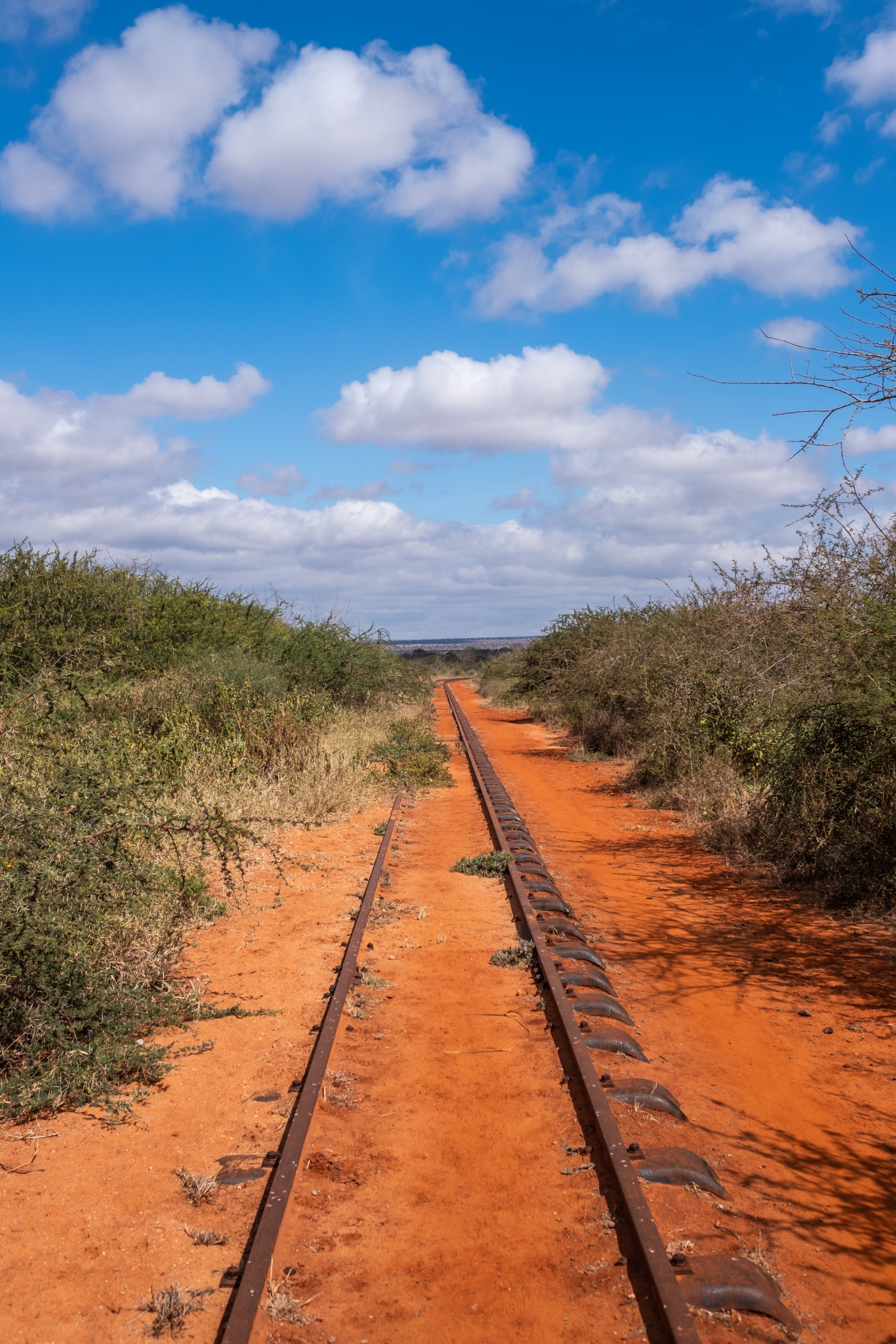
The Lobito Corridor is set to become one of the most important trade routes in Southern Africa, linking Zambia, Angola, and the Democratic Republic of the Congo (DRC) to the Atlantic Ocean. This major railway and transport project is expected to boost regional trade, enhance Zambia’s mining exports, and reduce dependency on South Africa’s congested ports.
Backed by international investments, including funding from the United States, the European Union, and global financial institutions, the Lobito Corridor is seen as a game-changer for Zambia’s transport infrastructure. However, it faces competition from China’s Belt and Road Initiative (BRI), which has already funded extensive infrastructure projects in Zambia.
What is the Lobito Corridor?
The Lobito Corridor is a railway and road network designed to connect Zambia and the DRC’s mining hubs to the Port of Lobito in Angola. By providing a faster and more cost-effective transport route for copper, cobalt, and other minerals, this project is expected to significantly improve Zambia’s export efficiency.
The corridor includes:
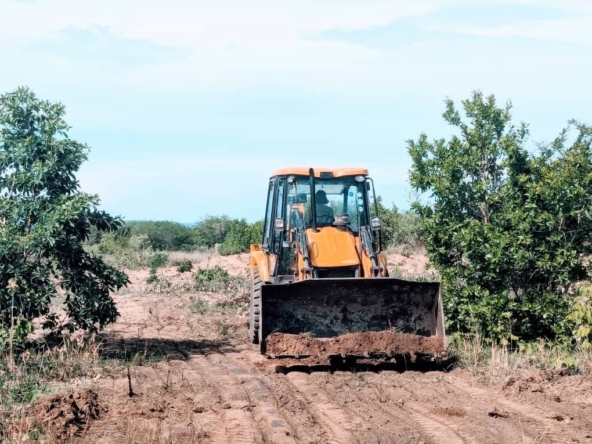
- The Benguela Railway – A railway line running from Lobito (Angola) to the DRC, recently rehabilitated with international support.
- Zambian rail extensions – Plans to upgrade existing railway networks and create a direct link between Zambia’s mining towns and Angola.
- Logistics and trade hubs – Infrastructure developments along the corridor to support freight movement and economic growth.
How the Lobito Corridor Benefits Zambia
- Faster Mineral Exports
- Currently, most of Zambia’s copper and cobalt exports go through South African ports, facing delays and high costs.
- The Lobito Corridor offers a shorter, more efficient route to global markets via Angola.
- Diversified Trade Routes
- Zambia relies heavily on road transport to export minerals, which is costly and inefficient.
- A modern railway system reduces transport costs, improves efficiency, and opens up new trade opportunities.
- Increased Foreign Investment
- The Lobito Corridor is attracting international funding, particularly from the United States and European partners, aiming to develop sustainable infrastructure.
- This brings modern railway technology, better logistics, and potential for industrial development along the corridor.
- Job Creation and Economic Growth
- The project is expected to create thousands of jobs in construction, transport, and logistics.
- Improved connectivity could spur new industries and businesses along the route.
China’s Belt and Road vs. US-Backed Investments
While the Lobito Corridor is receiving backing from the US and European allies, China’s Belt and Road Initiative (BRI) has also invested heavily in Zambian infrastructure, funding projects such as:
- The Tazara Railway, connecting Zambia to Tanzania.
- Major road and power projects supporting Zambia’s mining and trade sectors.
The competition between these investment models gives Zambia more options for infrastructure financing but also requires careful planning to avoid debt risks.
Challenges and Future Prospects
Despite its potential, the Lobito Corridor faces key challenges:
- Railway Upgrades Needed – Parts of the railway in Zambia still require modernization.
- Coordination Between Countries – Angola, Zambia, and the DRC must work together on logistics and regulations.
- Financing and Timelines – Ensuring long-term funding and timely project completion remains a challenge.
However, if successfully implemented, the Lobito Corridor could transform Zambia’s trade landscape, positioning the country as a key player in Africa’s mineral exports.
The Lobito Corridor is more than just a railway—it’s a gateway to economic transformation for Zambia. By offering a faster, cost-effective trade route, improving transport infrastructure, and attracting global investment, it has the potential to reshape Zambia’s role in regional and global markets. With the right policies and partnerships, this project could become a driving force for economic growth in Zambia and beyond.