by Bupe Soneka
Infrastructure deficiencies pose significant challenges to Zambia’s economic development and social progress, impacting productivity, connectivity, and quality of life. From inadequate transportation networks to unreliable energy supply, addressing these deficiencies is critical for unlocking Zambia’s growth potential and improving the well-being of its citizens. In this blog post, we’ll examine the key infrastructure challenges facing Zambia, their implications, and potential solutions to bridge the infrastructure gap.
1. Transportation Networks
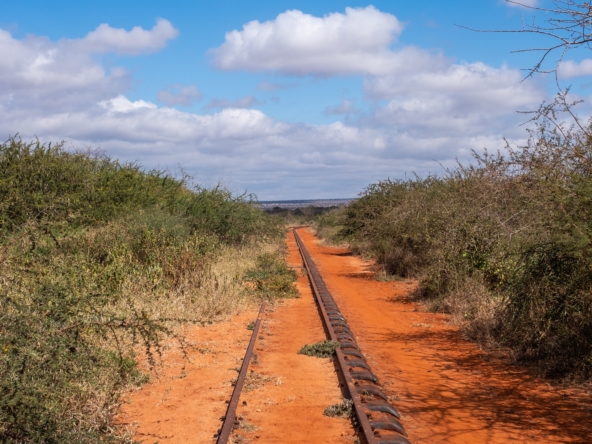
Challenge: Zambia’s transportation infrastructure, including roads, railways, and ports, faces numerous challenges such as inadequate maintenance, limited coverage, and poor quality. Many rural areas lack all-weather road access, hindering connectivity and economic opportunities.
Implications: Poor transportation infrastructure increases transportation costs, delays goods delivery, and limits market access for rural producers. It also hampers tourism development and affects the mobility of people, particularly in remote areas.
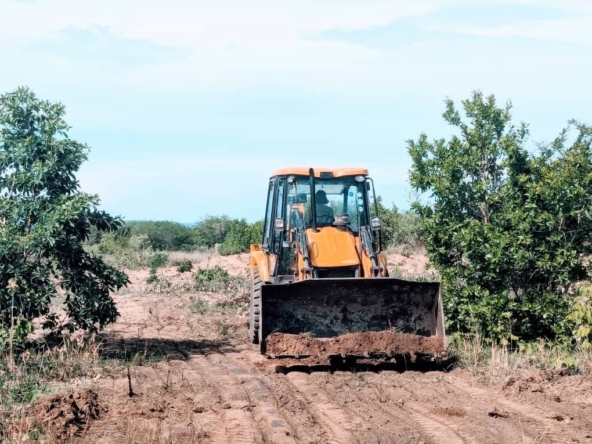
Solutions: Investing in road rehabilitation and expansion projects, improving connectivity between rural and urban areas, and promoting public-private partnerships (PPPs) for infrastructure development can enhance transportation networks and boost economic activities.
2. Energy Supply
Challenge: Zambia’s energy sector faces challenges related to inadequate generation capacity, transmission losses, and reliance on hydropower, which is vulnerable to climate change and seasonal variations.
Implications: Energy shortages and power outages affect businesses, industries, and households, disrupting productivity, limiting economic growth, and impeding social development.
Solutions: Diversifying the energy mix through investments in renewable energy sources such as solar, wind, and biomass can enhance energy security and resilience. Improving transmission and distribution infrastructure, promoting energy efficiency measures, and attracting private sector investment in power generation are also critical.
3. Water and Sanitation
Challenge: Access to clean water and sanitation services remains a challenge in Zambia, particularly in rural areas where infrastructure is lacking and water sources are contaminated.
Implications: Inadequate access to clean water and sanitation facilities contributes to waterborne diseases, undermines public health, and impedes socio-economic development.
Solutions: Investing in water supply and sanitation infrastructure, promoting community-based water management initiatives, and strengthening regulatory frameworks for water quality and sanitation standards can improve access to clean water and sanitation services.
4. Digital Infrastructure
Challenge: Zambia faces digital infrastructure gaps, including limited internet connectivity, low broadband penetration, and uneven access to digital technologies.
Implications: Limited access to digital infrastructure hinders e-commerce development, digital innovation, and access to information and education, exacerbating social and economic inequalities.
Solutions: Expanding broadband coverage, investing in digital infrastructure projects, and promoting digital literacy and skills development can bridge the digital divide and unlock the socio-economic potential of digital technologies.
5. Housing and Urban Infrastructure
Challenge: Rapid urbanization in Zambia has strained housing and urban infrastructure, leading to informal settlements, inadequate housing, and inadequate provision of basic services in urban areas.
Implications: Housing shortages, overcrowding, and inadequate infrastructure in urban areas contribute to poor living conditions, social tensions, and environmental degradation.
Solutions: Implementing urban planning reforms, promoting affordable housing initiatives, upgrading informal settlements, and investing in urban infrastructure projects can address housing and urban infrastructure challenges and promote sustainable urban development.
Conclusion
Addressing infrastructure deficiencies in Zambia requires a multi-faceted approach that integrates policy reforms, investments, and stakeholder collaboration. By prioritising infrastructure development, Zambia can enhance connectivity, improve service delivery, and create an enabling environment for sustainable economic growth and social development. As the country continues its development journey, bridging the infrastructure gap will be essential for building resilience, promoting inclusive, and improving the quality of life for all Zambians.