by Bupe Soneka
Zambia, a nation endowed with rich natural resources, has taken significant strides in the quest for sustainable development. As the world confronts the challenges of climate change and the depletion of non-renewable resources, Zambia is positioning itself as a beacon of hope in sustainability and renewable energy. This article delves into the country’s energy infrastructure, its achievements, challenges, and the roadmap to a greener future.
The Current Energy Landscape
Zambia’s energy sector is dominated by hydropower, which accounts for over 80% of its electricity generation. The country boasts some of Africa’s largest hydropower facilities, including the Kariba Dam and Kafue Gorge power stations. This reliance on renewable water resources has significantly reduced Zambia’s carbon footprint, making it one of the continent’s most sustainable energy producers.
However, this dependence also presents challenges. Prolonged droughts, exacerbated by climate change, have led to reduced water levels in reservoirs, causing energy deficits and frequent power outages. This underscores the need for diversification within the energy sector.
Sustainability in Focus
Zambia’s commitment to sustainability is evident through its various policies and initiatives. The Seventh National Development Plan (7NDP) emphasizes the importance of renewable energy and environmental protection. The government has also introduced programs to promote energy efficiency, reforestation, and climate-smart agriculture.
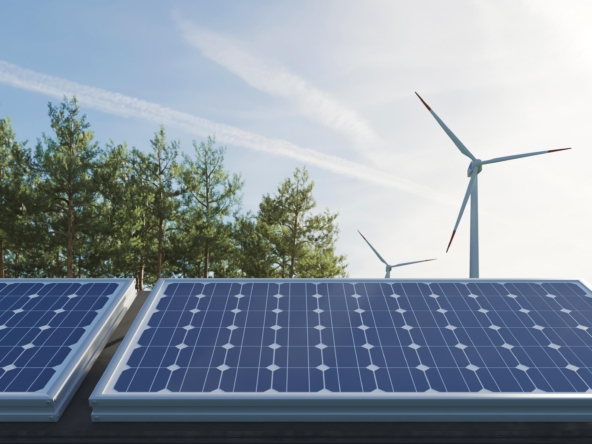
One notable initiative is the Scaling Solar program, which has attracted significant investment in solar energy. Projects like the Bangweulu and Ngonye solar power plants are now operational, providing clean, affordable energy to thousands of households and businesses.
Challenges to Overcome
Despite these achievements, Zambia faces numerous obstacles in its sustainability journey:
- Energy Access: Only about 40% of the population has access to electricity, with rural areas being the most underserved. Expanding the energy grid to remote regions remains a priority.
- Financing: Sustainable energy projects require substantial investment. While public-private partnerships have been beneficial, more financial support is needed to meet ambitious energy targets.
- Infrastructure Gaps: Aging energy infrastructure hampers efficiency and reliability. Modernizing existing facilities is crucial for sustained growth.
Opportunities for Growth
Zambia has immense potential to become a leader in renewable energy across Africa. Beyond hydropower, the country is blessed with abundant sunlight, making solar energy a viable solution for off-grid electrification. Additionally, wind and geothermal energy sources remain largely untapped and present new opportunities for diversification.
Investments in bioenergy, such as using agricultural waste for energy production, could also play a crucial role in sustainability. By focusing on community-driven projects, Zambia can empower rural populations while reducing dependency on traditional biomass fuels.
The Role of Policy and International Collaboration
The Zambian government continues to align its energy policies with global sustainability goals, including the UN’s Sustainable Development Goals (SDGs). International collaborations with organizations like the World Bank and African Development Bank have facilitated funding and technical expertise for renewable energy projects.
Moreover, regional integration within the Southern African Power Pool (SAPP) allows Zambia to export surplus energy to neighboring countries, enhancing energy security and regional cooperation.
A Vision for the Future
Zambia’s path toward a sustainable energy future is marked by innovation, resilience, and collaboration. By addressing existing challenges and leveraging its natural advantages, the nation has the potential to achieve universal energy access, reduce greenhouse gas emissions, and create a thriving green economy.
As the global call for sustainability grows louder, Zambia’s efforts serve as an inspiring example of how a developing nation can lead the charge toward a cleaner, greener planet.